
Is Your Lock Cylinder Letting You Down? Here’s What to Do
Lock cylinder replacement is one of the most effective ways to restore security to your home or business without replacing the entire lock.
Quick answer — how to replace a lock cylinder:
- Identify your cylinder type (pin tumbler, mortise, Euro profile, or cam lock)
- Measure the old cylinder from the fixing screw hole to each end
- Remove the fixing screw on the door edge
- Insert the key, align the cam, and pull the old cylinder out
- Slide in the new cylinder, align the cam, and tighten the fixing screw
- Test the lock from both sides before closing the door
Most homeowners can complete this in under 30 minutes. But some situations — like seized cylinders, master key systems, or warranty-sensitive locks — are better handled by a professional.
Whether your key is sticking, you’ve just moved into a new place on the Gold Coast, or you’re simply overdue for a security upgrade, the lock cylinder is almost always the component that needs attention. It’s the core of your lock — the part that reads your key and controls whether your door opens or stays shut.
The good news? In most cases, you don’t need to replace the entire lock. Swapping just the cylinder is faster, cheaper, and just as effective.
This guide covers everything you need to know — from identifying your cylinder type and choosing the right replacement, to removing a stuck cylinder and knowing when to call a locksmith.
Understanding Your Lock Cylinder Replacement Options
Before you grab your screwdriver, you need to know what you are looking at. Not all locks are created equal, and in April 2026, the variety of hardware found across the Gold Coast and Northern NSW is vast. The “cylinder” is the brain of the lock; it houses the pins and the keyway.
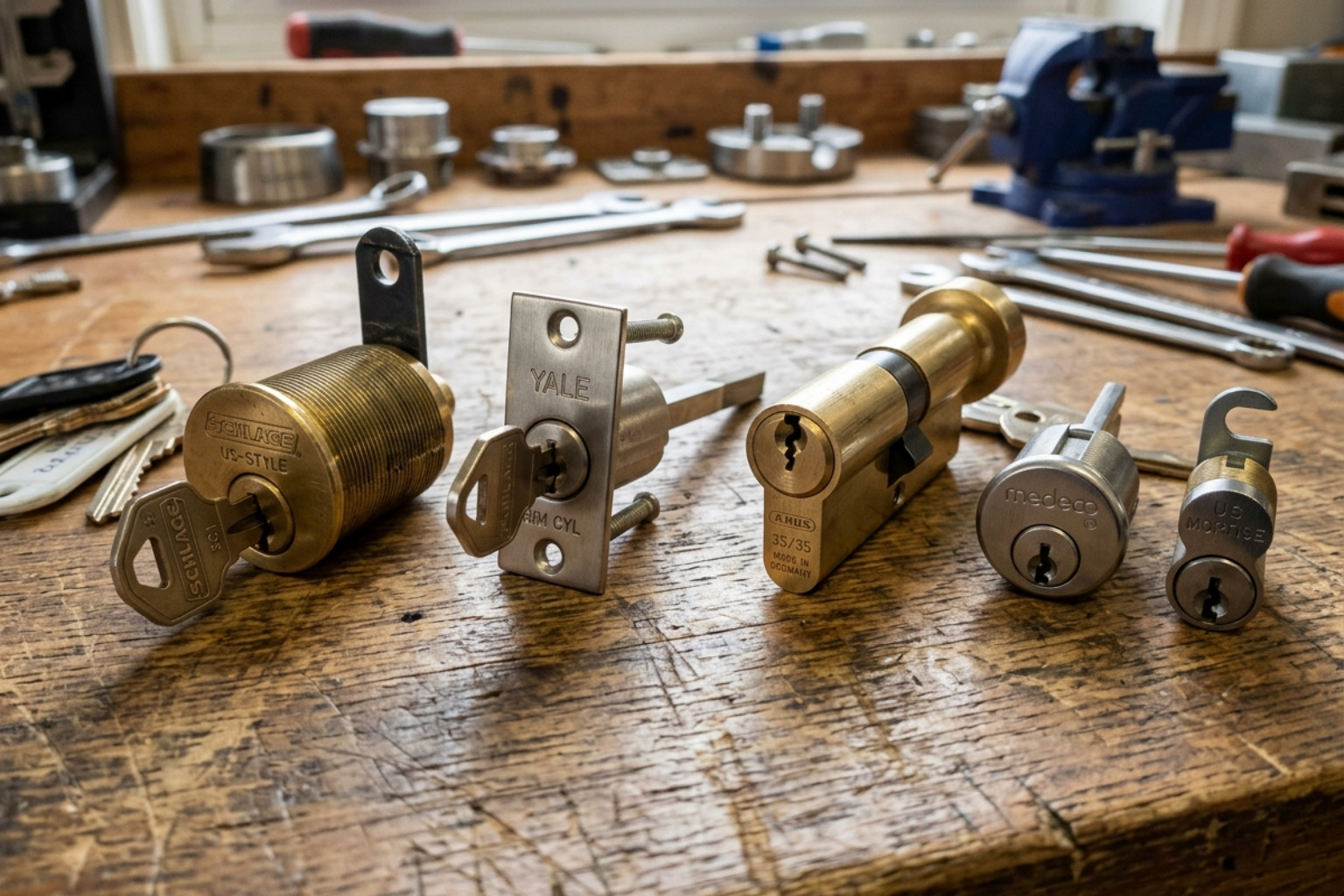
Here are the most common types we encounter:
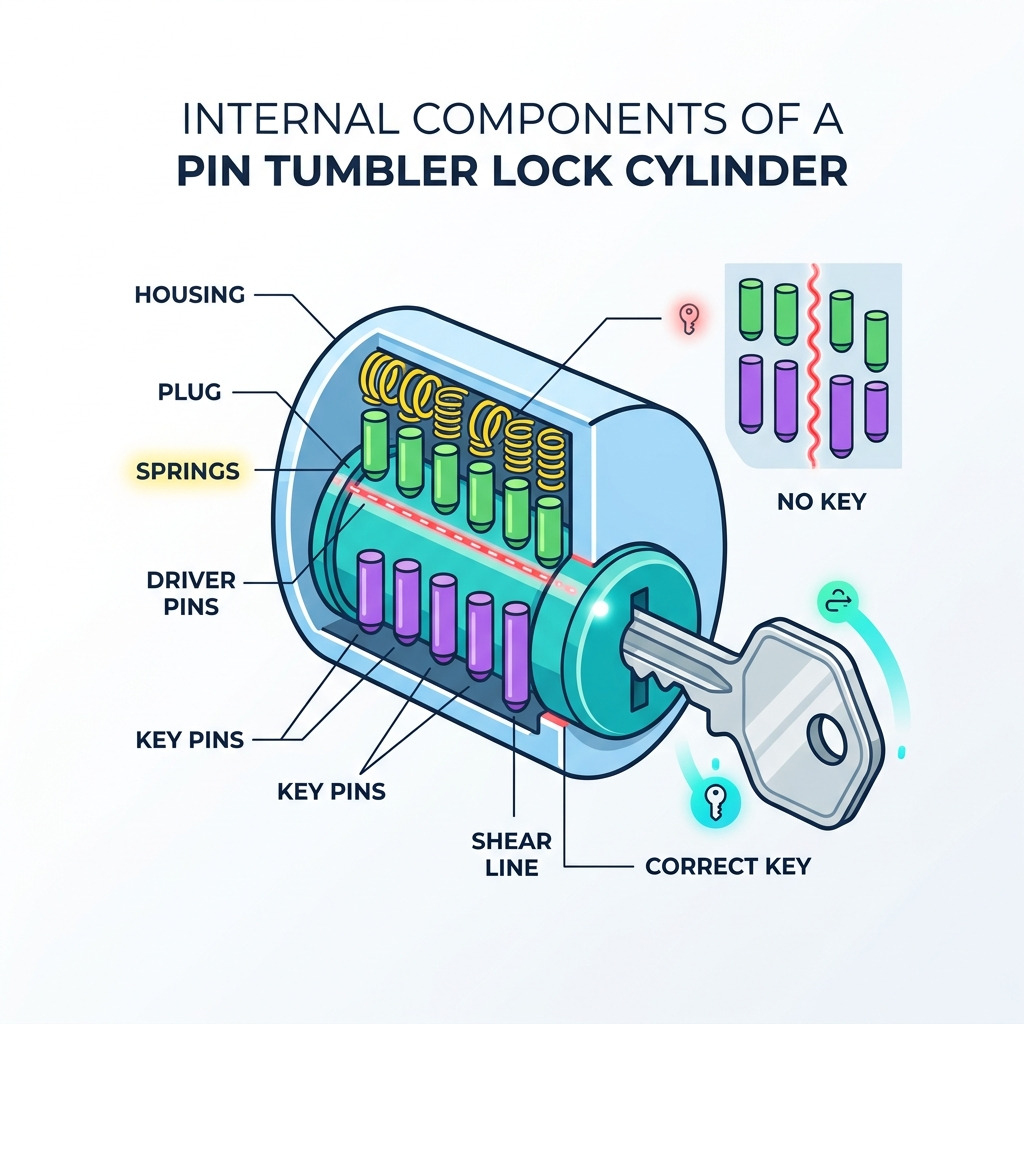
- Pin Tumbler Cylinders: The standard for most residential doors. These use a series of pins of varying lengths to prevent the lock from opening without the correct key.
- Mortise Cylinders: These are threaded and screw directly into a mortise lock body housed inside the door. They are heavy-duty and often found on commercial properties or older, high-quality residential entries.
- Euro Profile Cylinders: Extremely common in modern double-glazed doors and security screens. They are shaped like an oversized keyhole and are usually held in place by a single long screw.
- Rim Cylinders: These are often used with night latches (commonly called “snappers”) and are mounted on the surface of the door, with a long metal tailpiece extending through the door into the lock body.
- Cam Locks: Small cylinders used for mailboxes, toolboxes, and cabinets.
When looking at Replacing Schlage Deadbolt Cylinders, for instance, you’ll find that brand-specific designs often require precise steps to ensure you don’t void warranties or disable motorized components.
Standard vs. High-Security: Which is for you?
| Feature | Standard Pin Tumbler | High-Security Cylinder |
|---|---|---|
| Pick Resistance | Basic | Advanced (Anti-pick pins) |
| Drill Protection | Minimal | Hardened steel inserts |
| Key Control | Keys can be cut anywhere | Restricted profiles (Locksmith only) |
| Durability | Standard brass/zinc | Heavy-duty reinforced core |
| Price Point | Budget-friendly | Premium investment |
Identifying Your Specific Lock Cylinder Type
To get the right lock cylinder replacement, you must identify the “profile” and the “tailpiece.”
- Measurement: For Euro cylinders, measure from the center of the fixing screw hole to both the internal and external ends (e.g., 35mm/35mm).
- Cam Alignment: The “cam” is the black rotating piece in the middle. It must be aligned perfectly to slide out of the door.
- Tailpiece Length: For rim cylinders, the metal bar at the back must be long enough to reach the lock mechanism but not so long that it binds.
If you are unsure, our Residential Locksmith team can help identify whether you have a standard 5-pin system or a more complex Schlage-shaped keyway.
When and Why to Replace a Lock Cylinder
Why go through the effort of a lock cylinder replacement? In our 40 years of experience serving the Gold Coast, we’ve found that security is usually the primary driver.
- Lost or Stolen Keys: If your keys are out in the world, your home is at risk. Replacing the cylinder is a “reset button” for your security.
- Mechanical Wear: Like any mechanical device, locks wear down. If you find yourself jiggling the key for a minute just to get inside, the internal pins are likely worn.
- Moving House: You never know who the previous tenants gave a spare key to—cleaners, tradies, or neighbors.
- Security Upgrades: Upgrading to a cylinder with anti-snap or anti-drill features is a cost-effective way to harden your home against modern burglary techniques.
According to YourMechanic Advice on door locks, even automotive cylinders follow similar wear patterns, where debris and friction eventually lead to total failure. For home security, regular Security Door Servicing can prevent these issues before they leave you locked out.
Signs of a Failing Lock Cylinder
Don’t wait until you’re stranded on your doorstep at 2:00 AM. Watch for these red flags:
- Binding: The key goes in but is difficult to turn.
- Grinding Noises: A sign that internal springs or pins are snapping or misaligned.
- Key Difficulty: If the key is hard to insert or pull out, the “wafer” or pin stacks are failing.
- Visible Corrosion: Especially common in our coastal Gold Coast environment where salt air eats away at cheaper zinc-based locks.
If you are dealing with a double-glazed door that won’t budge, check out our guide: Stuck No More: Your Guide to Double Glazed Door Lock Repairs.
Step-by-Step Guide to Lock Cylinder Replacement
Ready to DIY? Here is how we do it professionally.
Tools Required:
- Phillips and Flathead screwdrivers
- Measuring tape
- Graphite-based lubricant (Never use WD-40 or oil in a lock!)
- The existing key (essential for aligning the cam)
The Process:
- Open the door: Always work with the door open. You don’t want to test a faulty installation while you’re locked inside (or out!).
- Remove the fixing screw: This is usually located on the edge of the door, directly in line with the bottom of the cylinder.
- Align the cam: Insert the key and turn it slightly (usually about 10-20 degrees). This aligns the internal cam with the cylinder body, allowing it to slide out.
- Pull the old cylinder: Gently pull the cylinder toward you. If it sticks, wiggle the key slightly.
- Insert the new cylinder: Reverse the process. Slide the new unit in, turn the key to align the cam, and ensure it sits flush.
- Secure and Test: Replace the fixing screw. Test the lock several times with the door open, then once more with the door closed.
For commercial properties with complex hardware, you might need a Commercial Locksmith to handle specialized mortise or restricted systems.
Installing a RotopaX Replacement Lock Cylinder
For the adventure enthusiasts in Currumbin and Burleigh, RotopaX containers are essential gear. However, their locks are often exposed to harsh weather.
- Price: Genuine RotopaX cylinders typically retail for around $19.99.
- What’s included: You get the cylinder and two keys.
- Keyed Alike: If you have multiple mounts, you can buy keyed-alike sets to simplify your keychain.
- Sizing: Most standard mounts use a 5/8 inch or 3/4 inch cylinder. Ensure you measure the depth of your mount before ordering.
- Installation: These are usually held by a small retaining nut on the back. Ensure you use the provided weather-resistant cap to prevent the core from seizing.
Removing a Stuck or Seized Lock Cylinder
If the cylinder won’t budge, don’t force it. You risk snapping the key inside or damaging the expensive lock housing.
- Apply Lubricant: Use a generous amount of dry graphite or a specialized lock penetrant.
- The “Wiggle” Technique: Gently tap the cylinder with the handle of a screwdriver while turning the key. This can sometimes unstick a frozen pin.
- Check for Set Screws: Some mortise locks have hidden set screws behind the faceplate that must be loosened first.
If the lock is completely seized due to salt-air corrosion, our Locksmith Services Gold Coast team can perform a professional extraction without damaging your door.
Troubleshooting and Security Considerations
Replacing a cylinder is usually straightforward, but there are “pro-level” factors to keep in mind:
- Master Key Systems: If you live in an apartment complex in Miami or Tugun, your lock is likely part of a master key system. Replacing the cylinder yourself will mean the building manager’s master key no longer works, which could be a breach of your lease or a safety issue in emergencies.
- Warranty Compliance: As noted by Schlage, certain high-end electronic locks (like the BE365) require a certified locksmith for cylinder swaps to maintain the manufacturer’s warranty.
- Anti-Pick and Anti-Drill: When buying a replacement, look for “hardened steel” pins. These prevent burglars from simply drilling through the core of the lock.
- Electronic Integration: If you are moving toward a smart home, consider Smart Lock Installation Gold Coast. Many modern smart locks allow you to keep your existing deadbolt hardware while replacing the internal “intelligence.”
Frequently Asked Questions about Lock Cylinders
Can I rekey a cylinder instead of replacing it?
Yes! Rekeying is often more cost-effective if the lock hardware is still in good condition. Instead of buying a whole new lock cylinder replacement, a locksmith changes the internal pins to match a new key. This is perfect if you want to keep your existing handles but ensure old keys no longer work.
How do I choose the right replacement cylinder size?
Measurement is everything.
- Backset: The distance from the edge of the door to the center of the keyhole.
- Door Thickness: Ensure the cylinder doesn’t protrude too far (a security risk called “lock snapping”) or sit too deep.
- Profile: Match the shape—Euro, Oval, or Round.
Are generic cam locks as secure as genuine brand replacements?
You get what you pay for. While a $6.99 Amazon cam lock might fit, they are often made of soft zinc alloys that can be snapped with a simple pair of pliers. Genuine brands like Master Lock or RotopaX use brass or hardened steel, offering significantly better key control and physical durability.
Conclusion
A lock cylinder replacement is a small task that provides massive peace of mind. Whether you’re securing a toolbox for a trip out of Tweed or upgrading the front door of your family home in Elanora, getting the right fit and the right security level is paramount.
At Palm Beach Locksmiths, we’ve been the Gold Coast’s trusted security partners for over 40 years. From 24/7 emergency lockouts to the installation of high-security restricted key systems, we are your “one-stop” shop for everything security.
If you’re stuck with a seized lock or just want the job done right the first time, don’t hesitate to reach out. We serve the entire region, including Gold Coast, Tweed, Currumbin, Burleigh, Elanora, Tugan, Miami, and Northern NSW.
Need a hand? Contact our Locksmith Currumbin experts today for a competitive quote and 100% satisfaction guaranteed service.